
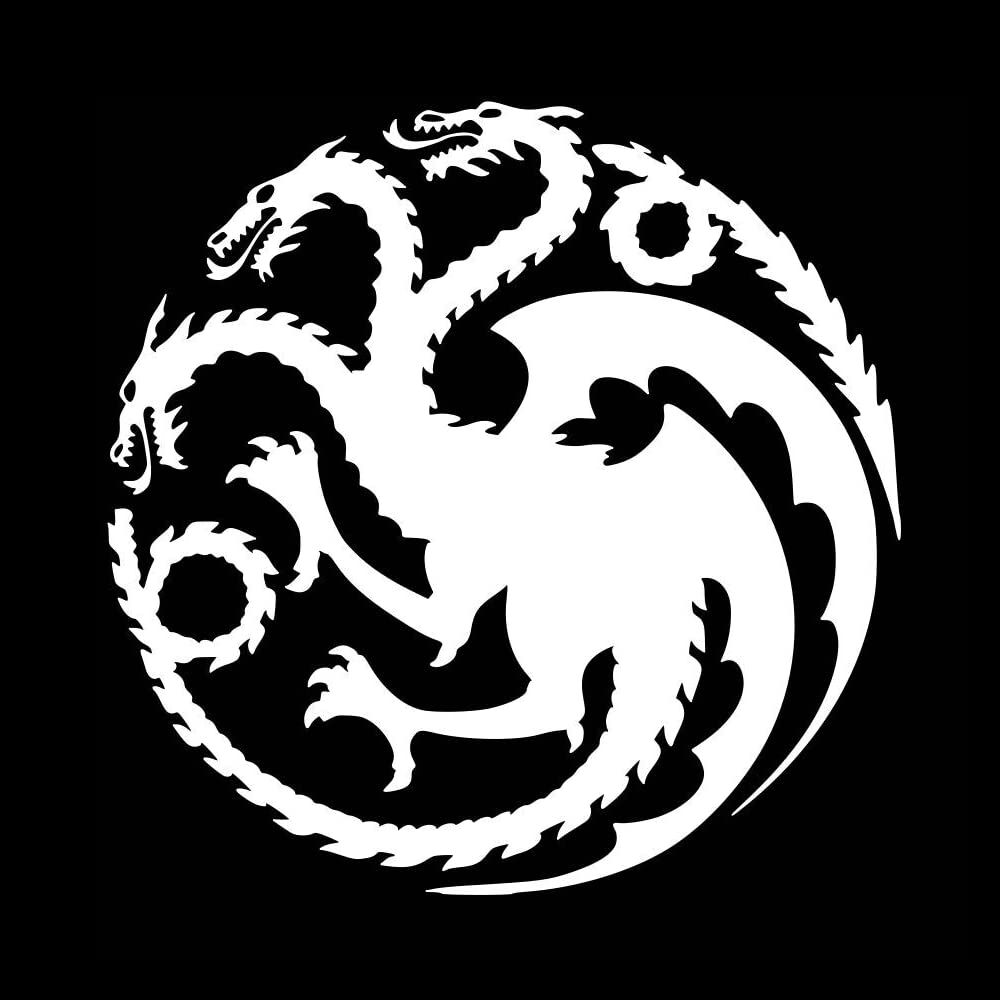
I’ve always been fascinated by the intricate symbolism in heraldry, especially when it comes to reimagining iconic designs. Recently, I’ve been exploring alternate Targaryen sigils, and it’s been a revelation. The traditional three-headed dragon is undeniably powerful, but what if we tweak the elements—colors, poses, or even the number of heads? One concept that caught my eye was a version where the dragons are intertwined in a circular pattern, symbolizing eternal unity rather than dominance. It’s a subtle shift, but it completely changes the narrative.
The Anatomy of a Sigil: What Makes It Iconic?
A sigil isn’t just a logo; it’s a story distilled into a visual. The Targaryen emblem, for instance, communicates strength, lineage, and fire. But when you start experimenting with alternate designs, you realize how much nuance can be added. I tested a version where the dragons are rendered in shades of obsidian instead of the traditional black, and it instantly evoked a colder, more mysterious vibe. The key is to maintain the core identity while introducing fresh elements. For example, adding a fourth dragon head could symbolize expansion or overreach, depending on the context.
Historical Context: Sigils in Westeros and Beyond
Heraldry in Westeros is deeply tied to family history and alliances. The Starks’ direwolf, the Lannisters’ lion—each sigil tells a story. When I compared the Targaryen emblem to others, I noticed how rarely their sigil incorporates external elements like crowns or swords. This simplicity is part of its strength, but it also limits its adaptability. In contrast, alternate Targaryen sigils often borrow from other houses’ styles, like adding a stag’s antlers to represent a Baratheon alliance. This blending of symbols can create fascinating narratives.
Notable Alternate Designs
One design I particularly admired replaced the dragons with a phoenix, symbolizing rebirth rather than conquest. Another incorporated waves to hint at a connection to the Dothraki Sea. These aren’t just artistic liberties; they’re reinterpretations of the Targaryen legacy. I even sketched a version where the dragons are depicted mid-flight, their wings forming a shield shape, to emphasize protection over aggression.
Practical Applications: Where Alternate Sigils Shine
You might wonder where these alternate designs would actually be used. In my experience, they’re perfect for fan art, tabletop RPGs, or even custom merchandise. I once saw a leatherworker use a Targaryen sigil with a single dragon head for a minimalist wallet design—it was stunning. Here’s a quick comparison of traditional vs. alternate uses:
| Traditional Sigil | Alternate Sigil |
|---|---|
| Official banners, armor | Fan art, custom projects |
| Represents House Targaryen | Explores alternate histories or alliances |
| Static, canonical | Dynamic, open to interpretation |
💡 Note: When creating alternate sigils, always consider the story you’re trying to tell. A minor change can drastically alter the meaning.
Honestly, the beauty of alternate Targaryen sigils lies in their ability to spark imagination. They’re not just redesigns; they’re invitations to explore new facets of a beloved universe. Whether you’re a designer, a writer, or just a fan, experimenting with these symbols can lead to surprising insights. Next time you see the three-headed dragon, ask yourself: what if it were different? That’s where the real magic begins.
Related Terms:
- alternate targaryen sigils list
- alternate targaryen sigils for sale
- alternate targaryen sigils dnd
- alternate targaryen sigils for protection
- alternate targaryen sigils minecraft
- alternate targaryen sigils build


