
I’ve always been fascinated by how small activities can have a big impact on our lives, especially as we age. A few years ago, my grandmother, who was in her late 70s, started experiencing mild cognitive decline. It was subtle at first—forgetting names, misplacing items—but it was enough to worry the family. That’s when I introduced her to jigsaw puzzles for seniors. What began as a simple pastime quickly became a daily ritual, and the changes were remarkable. Her focus improved, her mood lifted, and she even started recalling old memories more vividly. It wasn’t just about piecing together fragments of an image; it was about piecing together parts of her mind.
Why Jigsaw Puzzles Are More Than Just a Hobby
Jigsaw puzzles aren’t just for kids or rainy days. For seniors, they’re a powerful tool for cognitive health. Studies show that engaging in activities like puzzles can stimulate the brain, improving memory and problem-solving skills. In my experience, the repetitive yet rewarding nature of puzzles keeps the mind active without feeling overwhelming. My grandmother, for instance, started with 100-piece puzzles and gradually moved to 500-piece ones over six months. The sense of accomplishment she felt after completing each one was palpable, and it motivated her to keep going.
Choosing the Right Puzzle: Size, Theme, and Difficulty
Not all puzzles are created equal, especially when it comes to seniors. I’ve found that the key is to match the puzzle to the individual’s skill level and interests. For beginners, 100–200 piece puzzles with large, easy-to-handle pieces work best. Brands like Ravensburger and Buffalo Games offer senior-friendly options with clear images and sturdy pieces. Themes matter too—my grandmother loved nature scenes, while a friend’s mother preferred nostalgic images from the 1950s. It’s about making the activity enjoyable, not just challenging.
Puzzle Comparison Table
| Brand | Piece Count | Theme | Best For |
|---|---|---|---|
| Ravensburger | 100–500 | Nature, Art | Beginners to Intermediate |
| Buffalo Games | 300–1000 | Nostalgia, Landscapes | Intermediate |
| Springbok | 500–1000 | Whimsical, Detailed | Advanced |
The Social Side of Puzzling
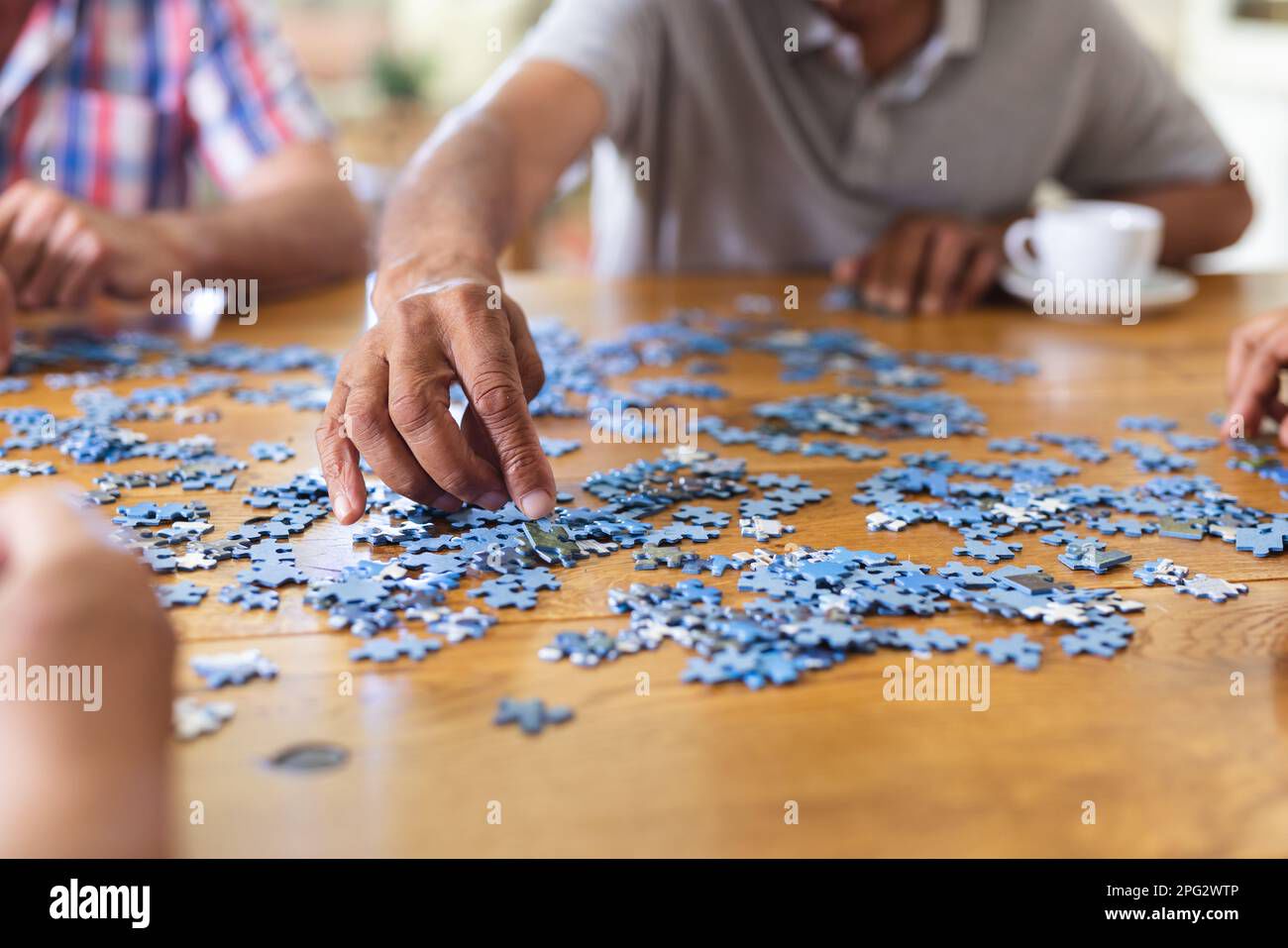
One of the most unexpected benefits I’ve observed is how puzzles can foster social connections. My grandmother started inviting neighbors over for puzzle nights, turning it into a communal activity. This not only kept her engaged but also helped combat feelings of loneliness, a common issue among seniors. Honestly, watching a group of retirees huddled over a puzzle, laughing and debating where a piece goes, is one of the most heartwarming sights I’ve seen.
💡 Note: If you’re introducing puzzles to a senior, start with a group setting. It reduces pressure and makes the activity more enjoyable.
Overcoming Common Challenges
While puzzles are generally beneficial, they’re not without challenges. Some seniors may find them frustrating, especially if the pieces are too small or the image too complex. I’ve learned that patience is key—encourage breaks and celebrate small victories. For those with arthritis, puzzles with larger pieces or a puzzle mat to hold pieces in place can make a world of difference. It’s about adapting the activity to their needs, not the other way around.
Here’s the thing: jigsaw puzzles for seniors aren’t just about passing time. They’re about keeping the mind sharp, fostering connections, and rediscovering joy in the little things. Whether it’s a 100-piece puzzle or a 1000-piece challenge, the benefits are undeniable. So, if you’re looking for a way to support a senior in your life, consider handing them a puzzle. You might just be giving them more than a hobby—you might be giving them a piece of their vitality back.
Related Terms:
- easy jigsaw puzzles for seniors
- jigsaw puzzles for adults
- free jigsaw puzzles for seniors
- free jigsaw puzzles
- jigzone puzzle gallery manga
- jigsaw puzzles free online


